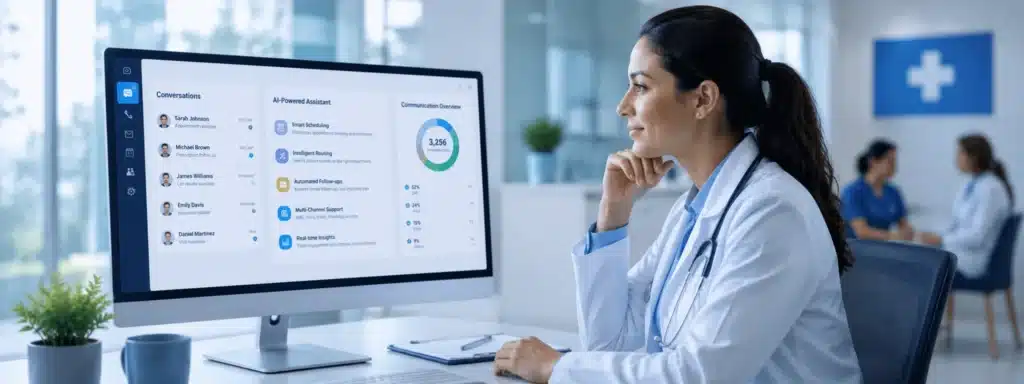
Effective patient communication & reminders are essential for keeping patients informed, engaged, and connected to their healthcare providers. Clear communication does more than confirm appointments. It helps patients understand what they need to do, when they need to do it, and why following their care plan matters. When messages are timely, accurate, and easy to understand, practices can reduce missed appointments, improve follow-up rates, and create a smoother experience for everyone involved.
Healthcare offices manage a constant flow of calls, appointment requests, confirmations, follow-ups, paperwork, and patient questions. Without an organized communication process, important messages can be delayed or overlooked. A consistent approach helps staff manage these interactions while making patients feel heard and supported. From the first appointment reminder to post-visit follow-ups, every communication is an opportunity to build trust and encourage patients to remain engaged with their care.
Build a Consistent Communication Process
A strong communication process gives staff a clear framework for handling routine patient interactions. Instead of relying on individual habits, healthcare practices can establish standardized procedures that make communication more reliable and easier to manage.
Use Clear and Simple Messages
Patients may receive many healthcare-related messages, so communication should be straightforward. Appointment dates, times, locations, preparation instructions, and follow-up requirements should be presented clearly. Avoid unnecessary medical terminology when a simpler explanation can communicate the same information.
For example, an appointment reminder should make it easy for the patient to identify the appointment date and time and understand whether any preparation is required. If patients need to bring documents, arrive early, complete forms, or follow specific instructions, those details should be communicated in a way that is easy to understand.
Clarity also matters when responding to patient questions. Staff should provide accurate information and avoid making assumptions about what a patient already knows. When a question requires clinical guidance, it should be directed to the appropriate healthcare professional rather than answered incorrectly or incompletely.
Keep Communication Timely
Timing can significantly affect whether patients respond to a message. A reminder sent too early may be forgotten, while one sent too late may not give patients enough time to make arrangements. Practices should develop communication schedules that fit the type of appointment and the needs of their patients.
Follow-ups are equally important. Patients may need reminders about upcoming visits, tests, referrals, paperwork, or other administrative requirements. A structured communication schedule helps prevent these tasks from being forgotten during busy office hours.
Keep Patient Information Organized
Good communication depends on accurate information. Staff should verify contact details and keep patient records updated whenever changes are reported. Incorrect phone numbers, outdated email addresses, or incomplete information can make otherwise effective communication unsuccessful.
Practices should also establish clear procedures for documenting important patient interactions. Recording relevant calls, appointment confirmations, and follow-up activities gives staff greater visibility into what has already been communicated and what still needs attention.
Make Follow-Ups Part of the Patient Experience
Patient follow-ups should not be treated as an afterthought. They are an important part of maintaining continuity and helping patients stay connected with their healthcare team.
Confirm Appointments Proactively
Appointment confirmations can help reduce confusion and give patients an opportunity to communicate scheduling issues before the appointment date. A proactive approach allows staff to identify cancellations, rescheduling requests, or other concerns earlier.
Consistent patient communication & reminders can also make appointment management more predictable for both patients and staff. When reminders are handled systematically, fewer appointments depend on someone remembering to make a last-minute call or send an individual message.
Follow Up After Appointments
Post-appointment communication can help reinforce the information patients received during their visit. Depending on the situation, a follow-up may involve confirming the next appointment, reminding the patient about required paperwork, or checking whether an administrative issue remains unresolved.
The goal is not to overwhelm patients with messages. Instead, follow-ups should be relevant and purposeful. Each communication should provide useful information or help the patient complete an important next step.
Respond to Patient Questions Efficiently
Patients often contact healthcare offices because they need clarification, assistance with scheduling, or information about administrative matters. Delayed responses can create frustration and may result in repeated calls.
An organized workflow can help staff prioritize inquiries and ensure that requests are routed to the right person. Routine administrative questions can be addressed efficiently, while clinical questions can be escalated to qualified medical professionals.
For practices looking to strengthen their administrative operations, a Garland Texas medical office support company can provide additional assistance with communication workflows and front-office responsibilities. The right support structure allows internal staff to focus on patients while routine administrative tasks are handled consistently.
Improve Communication Without Losing the Human Touch
Technology can make communication faster, but effective healthcare communication still needs a human element. Patients want to feel that their questions and concerns are being taken seriously, especially when they are dealing with appointments, treatment-related processes, or other healthcare needs.
Personalize Important Interactions
Not every patient interaction should feel like an automated transaction. While standard templates can improve consistency, staff should personalize communications when the situation calls for it.
Using the patient’s correct information, referring to the specific appointment, and addressing the actual reason for contact can make an interaction feel more attentive. Even small improvements in wording can make a difference in how patients perceive the practice.
Personalization is particularly valuable when handling appointment changes, missed appointments, or repeated follow-ups. A respectful tone can help maintain a positive relationship while still communicating the necessary information.
Create a Reliable Reminder System
A reliable reminder process should cover the complete appointment cycle. This may include an initial confirmation, a reminder closer to the appointment, and appropriate follow-up when an appointment is missed or changed.
The objective of patient communication & reminders is not simply to send more messages. It is to send the right information at the right time through an appropriate communication channel. Practices should review their reminder process regularly and identify areas where patients frequently miss information or require additional clarification.
Support Front-Desk Staff With Better Workflows
Front-desk teams manage many responsibilities simultaneously. They may answer phones, schedule appointments, update records, assist patients, process administrative requests, and coordinate communication with other members of the practice.
Creating clear workflows can reduce unnecessary pressure on staff and make patient interactions more consistent. Checklists, communication protocols, escalation procedures, and documented follow-up tasks can help staff know what needs to happen next.
Professional front desk healthcare support services in Garland can also help practices strengthen administrative coverage when internal teams need additional support. With experienced assistance handling routine front-office responsibilities, healthcare providers can dedicate more attention to delivering quality patient care.
Review Results and Adjust the Process
Communication strategies should evolve based on real patient behavior. Practices can monitor appointment confirmation rates, missed appointments, response times, unanswered inquiries, and other operational indicators to identify weaknesses in their communication process.
Patient feedback can also provide valuable insight. If patients repeatedly ask the same questions, misunderstand appointment instructions, or report difficulty reaching the office, those patterns may indicate an opportunity to improve communication.
Regularly reviewing these areas allows practices to make practical adjustments rather than relying on assumptions. Over time, a well-managed communication process can improve efficiency while creating a more dependable patient experience.
How ElintRCM Supports Stronger Patient Communication
At ElintRCM, we understand that effective patient communication extends beyond answering phones or confirming appointments. Healthcare practices need dependable administrative processes that keep information organized, follow-ups on track, and patients connected with their providers.
Our experts can support healthcare offices with structured communication workflows, appointment coordination, administrative assistance, and other front-office needs. By strengthening these processes, practices can reduce the burden on internal teams and create a more consistent experience for their patients.
When communication is clear, timely, organized, and human, patients are more likely to understand their responsibilities and stay engaged with their healthcare journey. A thoughtful approach to patient communication & reminders can therefore become an important part of a practice’s overall operational strategy—helping staff work more efficiently while giving patients the responsive experience they expect.